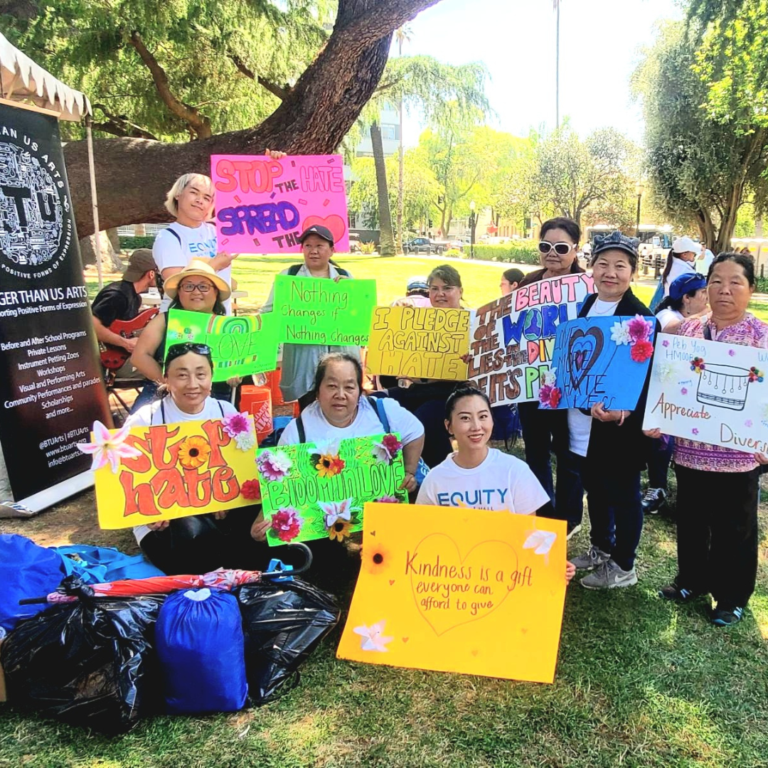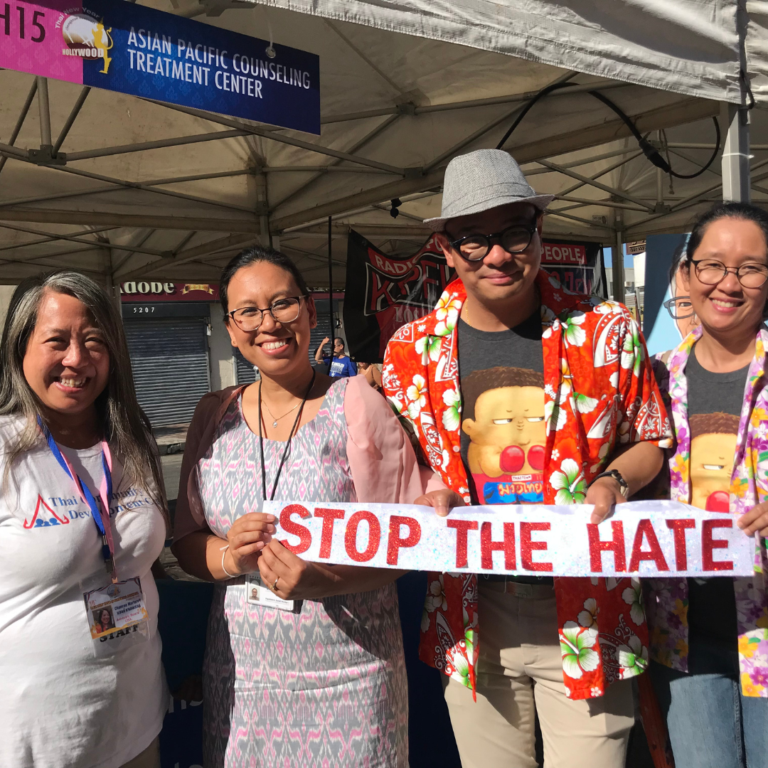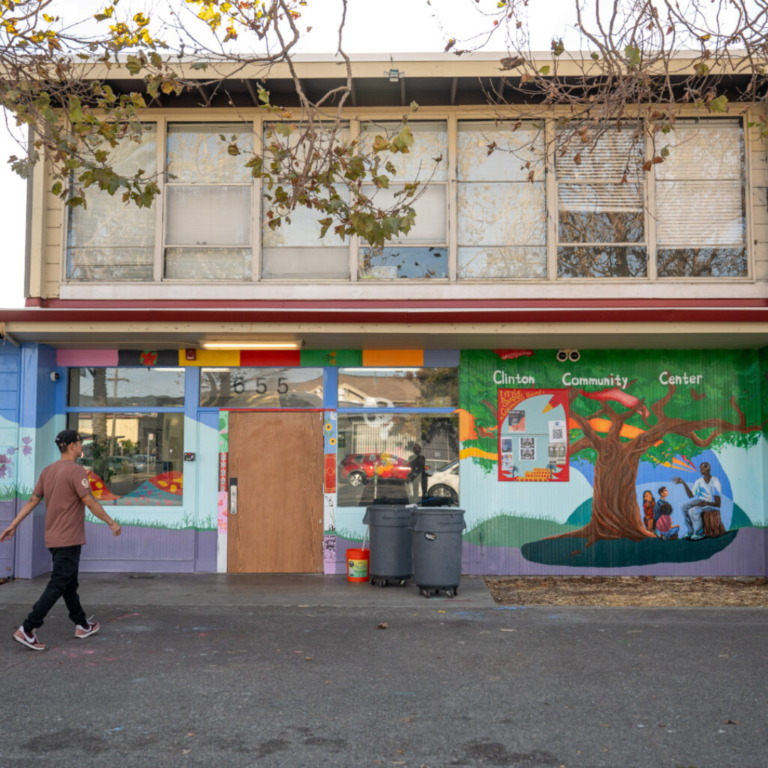
STOP THE HATE IN ACTION

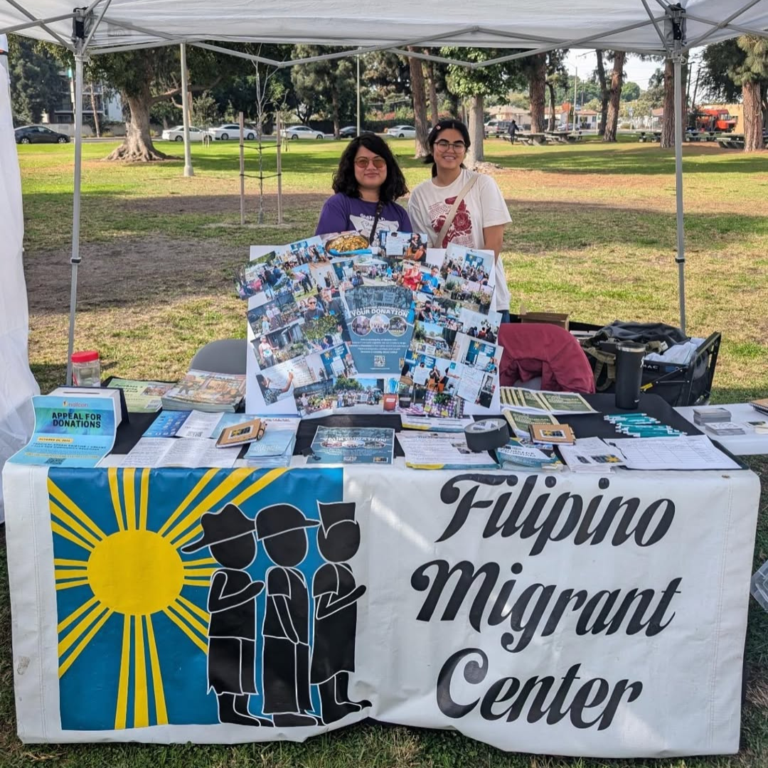
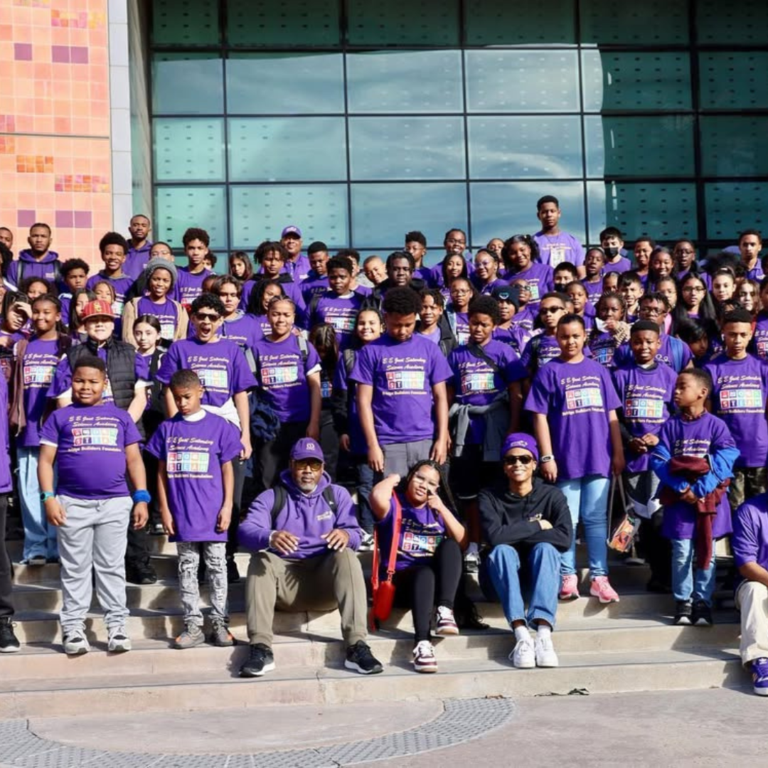
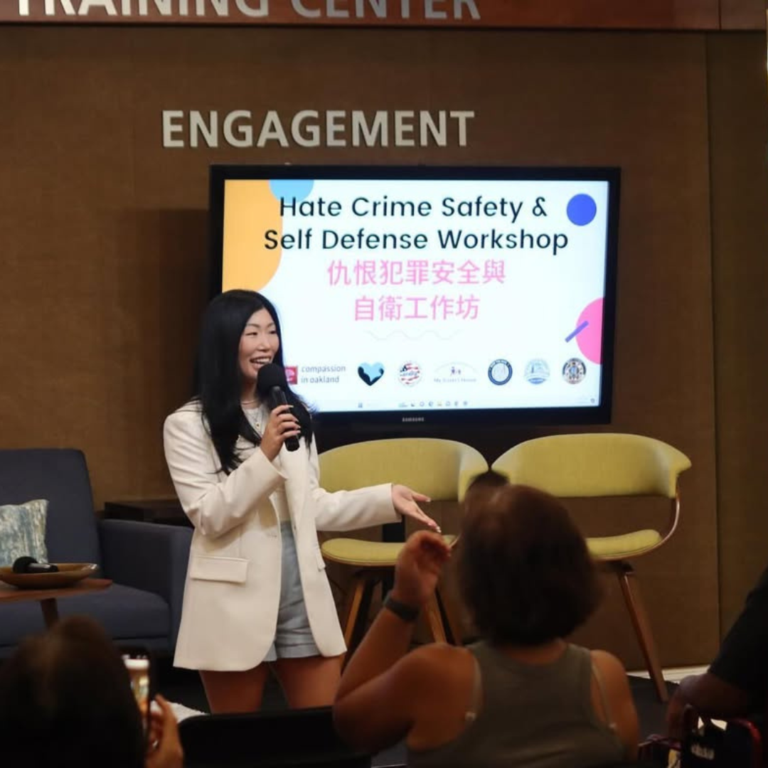
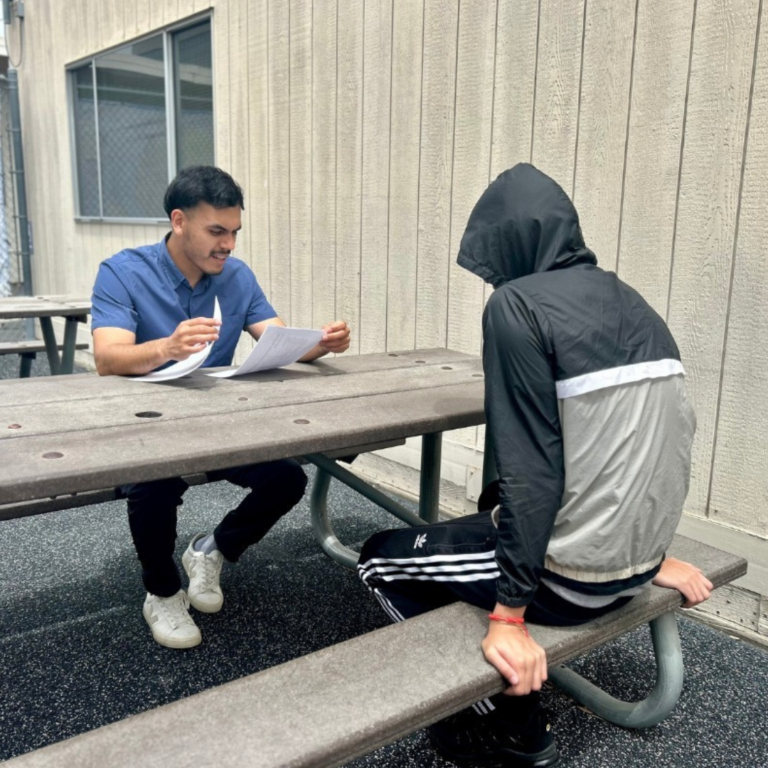
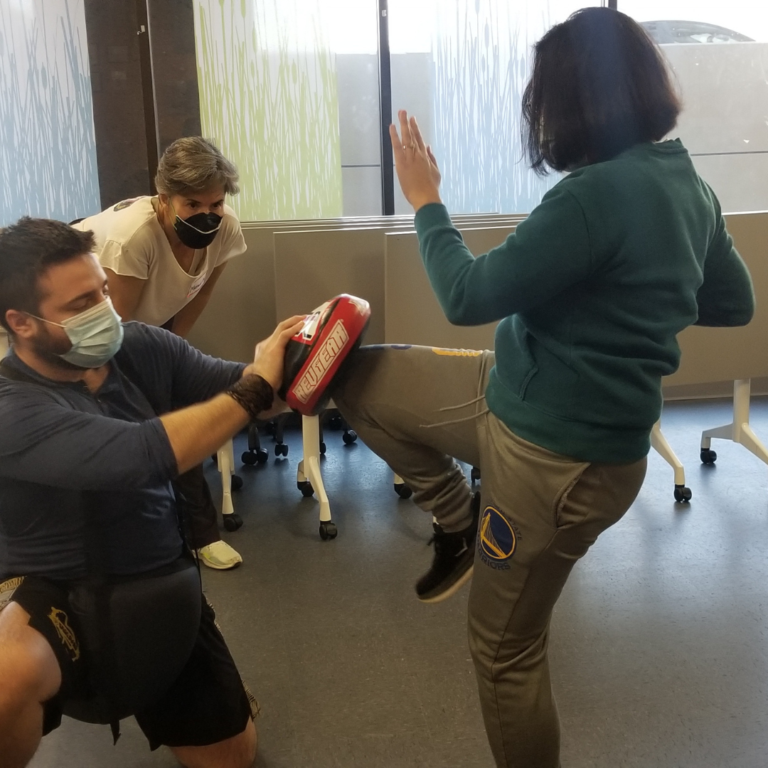
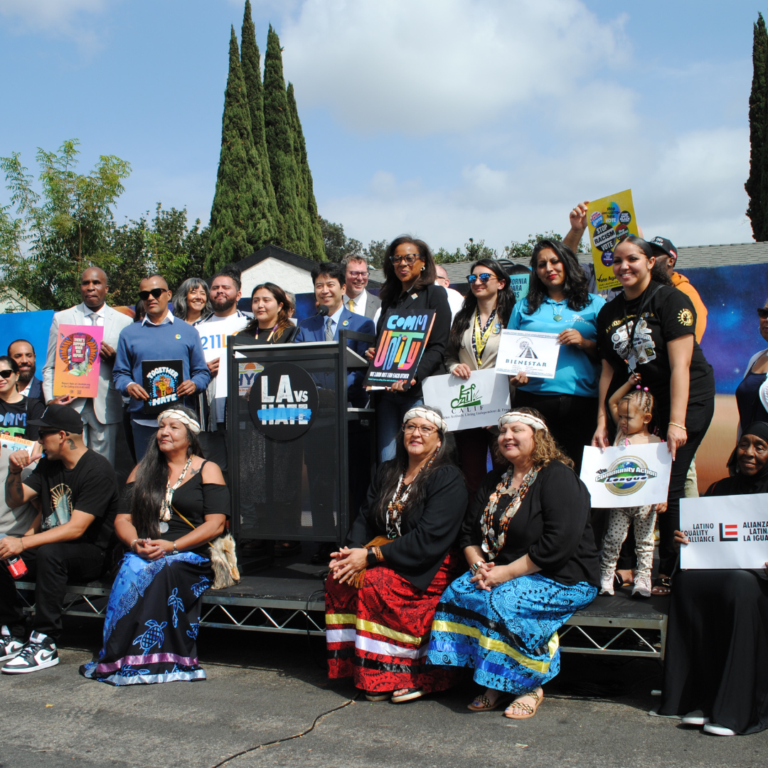
180 grassroots partners serve and support survivors of hate in five main regions across California. This work can take many forms, from providing mental health counseling after a hate incident and engaging in difficult conversations on race with youth, to facilitating workshops to help people heal from traumatic experiences, and much more. 
HOW CALIFORNIANS ARE FIGHTING AGAINST HATE

“Go back to your country!”
Oscar and his family from Mexico were consistently harassed by their neighbor, a white woman. “Go back to your country!” she would yell. It got worse when she began stealing their plants, bicycles, and even their dog. When they asked for their belongings back in limited English, she became violent and hurt Oscar’s friends who were there. Thankfully, a restraining order was approved, prohibiting any further contact.
Oscar and his family were traumatized and helped their friends recover with home-cooked meals. However, this left them unable to pay the bills, and since they weren’t considered the direct victims, they didn’t qualify for compensation. One Community Action (OCA) helped them speak with law enforcement, apply for CalFresh and Medi-Cal, and get access therapy and legal aid. The family also received a $500 grant to help ease the bills that piled up. 
Oscar, his family and friends are now fully recovered from their violent experience, and feel much safer knowing there are programs to support them if hate were to return.
“Do you even understand English?”
Sara immigrated to the United States at 16 years old to escape violence in her home country. At work, she experiences racial microaggressions from her coworkers. “Go back to your country” they would say, “Do you even understand English, speak slower.” At home, Sara was abused by her husband, who continuously threatens to call ICE on her and her son.
Sara reached out to the Center for Empowering Refugees and Immigrants (CERI), who helped her escape to a domestic violence shelter and connected her to a trauma-informed therapist.
Here, Sara is learning how to process her trauma and develop healthy coping mechanisms to better her mental health. Seeing how much CERI helped her, Sara also enrolled her son in their youth support group.
“CERI feels like home to me; [my son and I] wouldn’t be able to do this without them.” Ready to embark on the next chapter of her life, Sara is enrolling in nursing school, a long-term dream of hers, and will forever be grateful to all of CERI’s help.
The Need for Unity
Esteban, an immigrant from Mexico, works full time at his landscaping job in Santa Barbara. One day at work, a man yelled, “Go back to your country!” before violently attacking Esteban and leaving him temporarily disabled. Though Esteban reported the assault, the police were unhelpful.
He started having nightmares and extreme anxiety. On top of trying to manage the trauma from the assault, he was physically unable to get back to his job, leaving him struggling with rent and food insecurity.
A friend referred Esteban to Learn, Engage, Advocate, Partner (LEAP). LEAP’s family advocate, who is trained in trauma-informed, culturally responsive practices, and bilingual in English and Spanish, recognized Esteban’s need for immediate support. They provided him with a Spanish speaking therapist and connected him to Unity Shoppe, a food distribution center where Esteban got access to nutritious food and clothing.
Now, Esteban is slowly getting back to work. In moments where he starts to feel hopeless, he can always reach out to LEAP’s family advocate, who has guaranteed their continuous support.
“Making America Great Again One B*aner at a Time”
Brenda, a Hispanic mother, was steps from her door when the attack came from behind. She crumpled under the blows, her attacker’s words echoing the racist hate, “Making America great again, one b*aner at a time.”
The hospital released her, but the fear she felt in her own neighborhood was overwhelming. Her injuries kept her out of work for weeks. The trauma from the assault lasted much longer. But Brenda did not surrender to hate.
The YWCA of San Diego County became a lifeline, providing safety planning, financial assistance, and critical resources. With their help, Brenda began to heal.
It was a difficult journey, but Brenda is back at her job and continues working through the lingering distress and trauma. She’s finally walking in her neighborhood again, and it’s beginning to feel like home once more. Grateful for the support she received as she recovered from this horrific incident, Brenda shared, “Thank you, YWCA, I have a renewed hope for humanity and I know that joy, safety, and peace are still possible.”
A Father’s Fight for Survival
Tino, a gay Latino in his 50s, always sensed his neighbor’s hostility—glares, muttered insults, and an uneasy tension that lingered every time they crossed paths. One day, that hostility exploded into violence. In his own home, and in front of his two sons, Tino’s neighbor attacked him with brutal force.
The assault was punctuated by homophobic slurs and death threats. Fueled by fear for his children’s safety, Tino fought back. The trauma of that night left Tino with two broken arms and debilitating PTSD. Unable to return to their home, he and his boys were forced to leave everything behind.
Tino found a lifeline at The San Diego LGBT Community Center. A counselor helped Tino begin EMDR therapy, a treatment designed to help survivors of trauma process painful memories, and reduce the power of flashbacks and nightmares. His two sons also received counseling, giving them space to heal from what they had witnessed and reminding them that they weren’t alone.
Today, they are rebuilding their lives with the strength of community at their side. What once felt like an ending is now a story of resilience and recovery.
A Chinatown Chase Down
As Vietnamese-American Franny was walking her dog through her Los Angeles Chinatown neighborhood, she saw an elderly Asian man being brutally beaten across the street. She knew she had to intervene, but the attacker locked eyes on his new target, and chased her down the street. “I ran for my life, I even threw myself into oncoming traffic to get away.”
Franny saw a patrol car and begged the sheriffs to arrest the attacker, but they said it was out of their jurisdiction. Even after Franny called 911, the cops showed up an hour later and refused to take her statement because “You’re not the victim. They verbally said they were going to kill you, but they didn’t hit you.” The elderly Asian man was unable to communicate with the cops in English and decided not to press charges.
Emotionally scarred, Franny reached out to World Mission University (Through Peace) to report both the hate crime she witnessed and the hate incident she endured. Now, Franny shares her story at hate crime workshops for the elderly Asian community; “I would not have healed without their help.”
“You’re the problem!”
Charmaine, a Black immigrant, needs a nearby gym with a warm pool to maintain her health as someone with a disability. However, during one of her visits, her wheelchair got caught on the gym mat and she almost fell over.
This experience caused Charmaine’s heart rate to spike, so she decided to take the elevator to notify the gym staff. However, the elevator stalled and trapped her inside. Charmaine frantically looked for cameras to alert security, but they were nowhere to be found. She pressed the emergency button, called the front desk and screamed out for help, eventually calling 911 in utter desperation.
When Charmaine returned to the gym a few days later, she was met with hatred: “You know you’re the problem! Don’t come back here, this is a gym for real athletes!” Feeling angry and unsure of what to do next, as this was the only gym close to her home, Charmaine went to Los Angeles City Hall to tell her story. 
There, she was given the 211 LA hotline number and connected with Communities Actively Living Independent & Free (CALIF). They helped Charmaine get into the Mobility program, and provided resources for free transportation and gym memberships. Charmaine now feels safe and free, knowing she has support if harassment were to occur again.
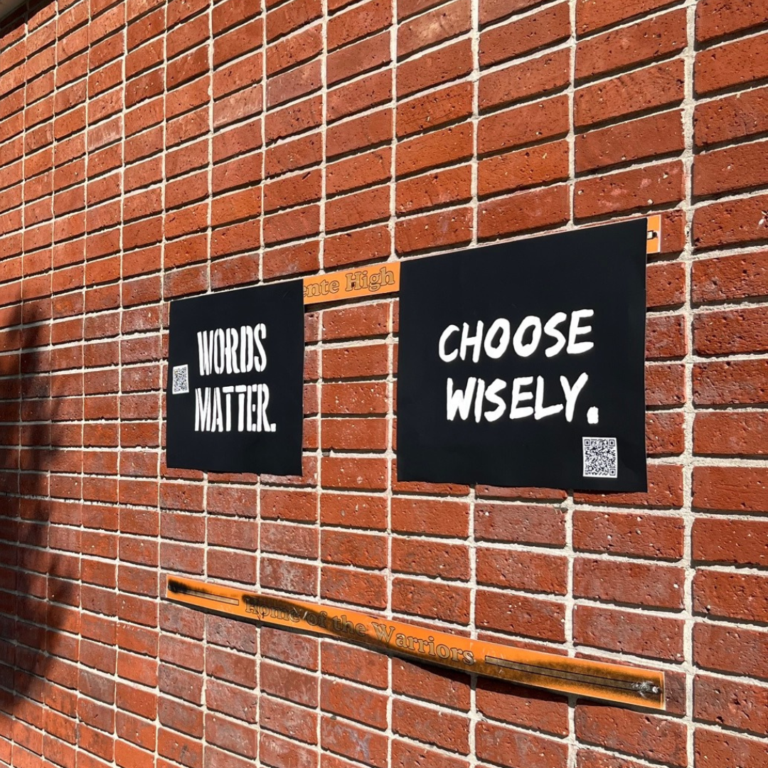
Words Matter, Choose Wisely
Students in Mr. B’s classroom passed around a school laptop with “F*ck Ni**ers. KKK for life. F*ck you” carved onto it. It took over a month until one of his Black students reported the hate crime. Shocked and distressed, Mr. B emphasized: “I want this to be an educational moment.” He asked the 211 LA Dream Center at his East LA high school, a safe haven for students, to support and run a hate crime workshop. 
First, the Dream Center provided Mr. B mental health counseling and tools to address the hate without pressing charges. Then, they ran a workshop designed to make students think critically about the impact of their words. The student who carved the words expressed his regret openly and sincerely, taking accountability for his actions. 
After the workshop, students felt motivated to do more and led a campaign called “Words Matter, Choose Wisely.” They posted flyers around campus and shared videos on social media to spread the message: Hateful words cause lasting harm. 
The movement even sparked neighboring high schools students to organize more dialogues on race. As an educator, Mr. B thanks the Dream Center for their approach in creating learning opportunities for youth, and leading a community in growing to be better and stronger, together.
“Learn English if you want to be here!”
Ellis, an elderly Afghan man who speaks limited English, was riding the bus in Sacramento. A passenger yelled: “Learn English if you want to be here! Otherwise, go back to your country!” Ellis was confused and scared, when suddenly a bystander, James, stepped in to deescalate the situation. He referred Ellis to Lao Family Community Development (LFCD) where James himself had learned how to intervene in situations like this.
Ellis learned about his rights, how to identify hate, and what to do in the future. He shared his story and realized he wasn’t alone in his experience. Feeling grateful, he shared, “I didn’t know there were people who cared so much about helping someone like me. Now I feel safer and more prepared.”


“You Chinese are everywhere now!”
Maggie is a college student who regularly uses public transportation. One day, when she was on the train, a man yelled, “You f*cking Chinese are everywhere now!” before pushing her to the ground. In shock and unsure of how to process her violent experience, Maggie sought out help.
Lao Family Community Development (LFCD) provided immediate support through their Victim Advocate, who guided Maggie on how to report the incident as a hate crime. The staff member offered step-by-step instructions on filing an online police report, emphasizing the importance of including detailed information like the location, date, time, and a valid email address for follow-up.
LFCD also educated Maggie on how to recognize hate incidents and hate crimes, in case this were to ever happen again. Maggie felt empowered to take action by spreading awareness and information with her community, creating a ripple effect of knowledge and prevention. Maggie feels safer knowing her and her loved ones know how to recognize hate when they see and experience it.
“Little terrorist”
14-year-old Mahmoud asked his teacher, Mrs. Daniels, about an after-school learning program when she referred to him as a “little terrorist”. Astonished, he told Mrs. Daniels her remark was racist, but she laughed it off, saying it was a joke from her favorite movie. This was the first time a racist comment came from a trusted adult, leaving Mahmoud feeling unsupported and unsafe.
AccessCal provided Mahmoud with counseling to affirm his feelings and help him work through his anxiety. The healing journey is still ongoing, but with AccessCal’s support, Mahmoud is beginning to feel more grounded and confident.